
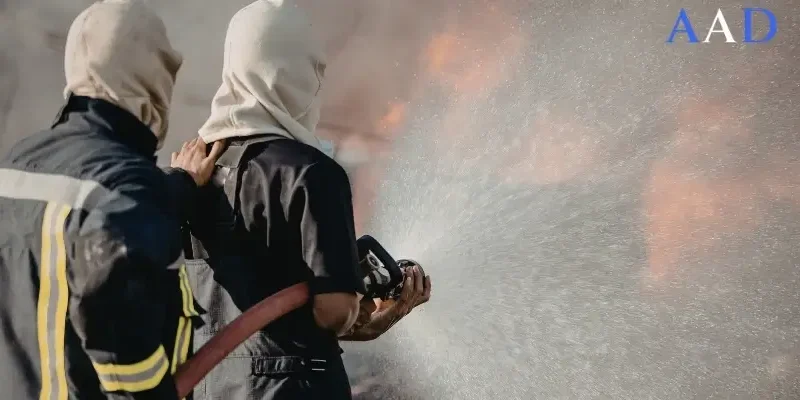
Firefighters are routinely exposed to smoke and dangerous chemicals, as well as byproducts of combustion, when they fight fires and respond to emergency situations. The association between possible firefighter cancer types linked to work in North Carolina has become more apparent over time. In North Carolina, a firefighter who develops work-related cancer may have legal remedies available depending on the diagnosis and the firefighter’s employment history.
An overview of the cancers that have been linked to firefighting may assist firefighters and their family members in understanding occupational risks and how these conditions may be related to work.
Hire a Firefighter Cancer Lawyer
The lawyers at Ayers, Ayers and Dressler work with people throughout North Carolina who have questions about occupational illness and workplace exposure claims. We review cases with firefighters and other workers who believe they have developed a serious medical condition as a result of their work.
Evaluating these claims typically includes reviewing medical records, work history, and the legal standards that apply to an occupational disease claim in North Carolina. Our attorneys can help anyone with questions about how workplace exposure and a serious health condition may lead to a potential claim.
Common Types of Cancer Associated With Firefighting
The International Association of Fire Fighters has reported that firefighters face higher rates of certain cancers than the general population. A study by the group found firefighters were about 9% more likely to receive a cancer diagnosis and about 14% more likely to die from cancer. Firefighters for communities like those served by the Hickory Fire Department could potentially face these risks during their careers.
Some of the conditions associated with higher rates in firefighters include lung cancer, bladder cancer, leukemia, non-Hodgkin’s lymphoma, multiple myeloma, and prostate cancer. Firefighters have been exposed to known or suspected carcinogens through structure fires, vehicle fires, and emergency calls involving burning materials.
Hazardous Substances Firefighters Are Exposed to During Fires
A wide variety of modern building materials emit many toxic substances when they burn. Firefighters responding to fires may be exposed to smoke that can contain benzene, formaldehyde, and polycyclic aromatic hydrocarbons. Inhalation can occur through leaky breathing apparatus or dermal absorption by contact with contaminated equipment and surfaces.
The exposure may be during fire suppression, overhaul, or when handling debris after a fire. Cumulative exposure over many years has been the subject of some occupational health studies of firefighters. Such exposures may be considered in determining if a diagnosis of cancer is related to the long-term environmental exposures of firefighting.
North Carolina Laws That May Apply to Firefighter Cancer Claims
In North Carolina, certain occupational diseases are covered by workers’ compensation law. According to North Carolina law, if an occupational illness stems directly and inevitably from job duties and is unique to a specific field, it might be eligible for compensation. Firefighters who develop cancer may be able to prove that the disease was the result of the exposure experienced while fighting fires.
Under state statutes, you have a two-year window to file an occupational disease claim, starting from the date the employee is advised by a competent medical authority that the disease is related to their employment. These statutes are often relied upon when evaluating occupational disease claims for firefighters in North Carolina.
Medical Documentation and Evidence in Firefighter Cancer Claims in North Carolina
During the review of a firefighter cancer claim, various forms of evidence may be evaluated. These could include medical records that document the diagnosis and treatment of the specific illness. The aim is to establish whether a cancer diagnosis could be linked to occupational exposure. Records of employment could be assessed to verify a firefighter’s years of service and the specific nature of their job duties.
The International Association of Fire Fighters reported that occupational cancer was linked to nearly 80% of line-of-duty deaths among IAFF members in 2025, underscoring the prominence of cancer in the firefighting profession. Workplace exposure information and medical findings may be reviewed as part of potential occupational disease claims.
FAQs
Are Volunteer Firefighters Covered by Workers’ Compensation in North Carolina?
North Carolina provides volunteer firefighters with certain workers’ compensation protection. Depending on whether or not the local government or fire department has elected workers’ compensation protection for volunteer employees, the employee may be covered. Under certain circumstances, if a firefighter is injured or contracts an occupational disease, he or she may be entitled to benefits.
Can Firefighters Be Exposed to Carcinogens Even After a Fire Is Extinguished?
Exposure to dangerous materials and vapors may persist long after the flames are under control. Firefighters are often in a work setting during overhaul and cleanup operations where soot and debris are still present along with the equipment and other contents. Materials that can produce chemicals and other noxious byproducts during combustion may still be present.
Do Protective Gear and Breathing Equipment Eliminate Cancer Risks?
Turnout gear, self-contained breathing apparatus, and other protective equipment are made to provide protection from smoke and toxic substances, but firefighting personal protective systems may not address all of the hazards found in a firefighting situation. Exposure from wearing gear that has been contaminated, wearing gear for an extended period of time during an emergency response, and exposure to hazardous substances are some of the occupational health issues.
Can a Firefighter File a Third-Party Legal Claim for Cancer Exposure in North Carolina?
A firefighter diagnosed with cancer in North Carolina may have legal options beyond a workers’ compensation claim. If exposure to toxins resulted from defective equipment, hazardous products, or another party’s negligence, a civil claim may be pursued against those responsible.
These claims are separate from workers’ compensation and may involve manufacturers, contractors, or other entities whose actions contributed to the exposure. Courts typically review evidence involving product use, exposure circumstances, and medical documentation when evaluating third-party liability claims related to firefighter cancer diagnoses.
Contact a North Carolina Firefighter Cancer Lawyer
Ayers, Ayers and Dressler represents individuals seeking information about occupational disease claims and how North Carolina law may apply when a firefighter develops cancer related to firefighting duties. Schedule a consultation to hire a firefighter cancer lawyer today.