
Call : 704-594-4317
Call : 704-594-4317
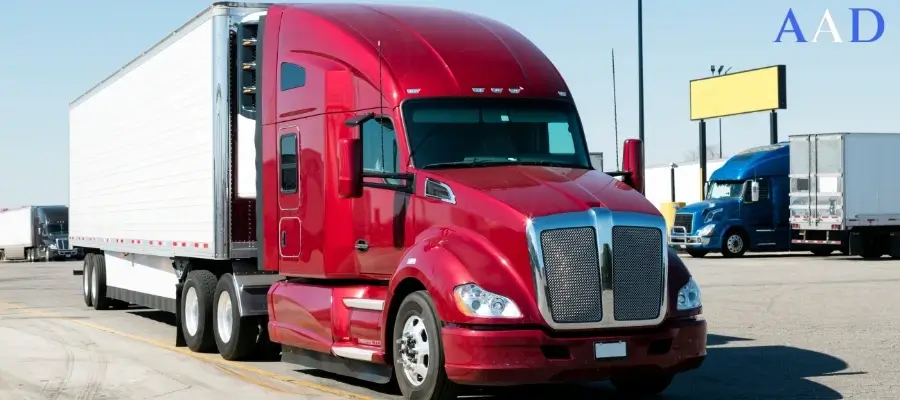
Truck drivers who’ve been hurt on the job in or around Kannapolis may suddenly find their health, income, and ability to stay on the road interrupted or compromised. When an injury causes damage to your livelihood, a Kannapolis truck driver injury lawyer can review your injury situation and explain your potential legal options. Ayers, Ayers & Dressler serves injured truck drivers throughout Cabarrus and Rowan counties.
Many of these cases involve multiple causes of action. They can include issues with roadway conditions, employer policies and practices, and third-party wrongdoing. Learn how state and federal trucking laws apply to your truck driver injury claim.
At Ayers, Ayers & Dressler, we advocate for the rights of people injured in significant personal injury cases across North Carolina, including truck drivers injured on the job. We have been handling claims involving commercial vehicles, workplace accidents, and third-party liability for years.
We are pleased to have been recognized by Super Lawyers and named as Martindale-Hubbell peer review-rated attorneys. Our team can:
704-594-4317Call Now
Truck drivers employed in Kannapolis may haul regional freight associated with manufacturing, warehousing, and distribution activities in the surrounding area. Short-haul routes, tight delivery windows, and frequent travel between industrial areas are common. Interstate 85, U.S. Highway 29, and NC Highway 73 may also be frequently traveled roadways, which carry both commercial vehicles and daily commuters.
These corridors can include dynamic lane changes, construction, and narrow shoulders. Access roads may also be used to get to industrial parks and delivery areas, and these may include tight turns, cracked pavement, or congestion during rush hour. Injuries can occur:
In North Carolina, transportation incidents are the primary cause of fatal work injuries. According to data from the North Carolina Department of Labor, transportation incidents accounted for 35% of all fatal work injuries. In addition, 62 fatal workplace deaths were transportation-related. Transportation incidents include crashes involving commercial vehicles, so they represent some of the dangers workers face when their job duties require them to frequently travel on public roadways.
The steps that are taken immediately after a truck driver injury can impact both medical care and legal rights. North Carolina has laws to protect workers who are injured on the job. These laws may include benefits under the North Carolina Workers’ Compensation Act, N.C. Gen. Stat. Chapter 97.
Promptly reporting the injury, receiving proper medical treatment, and gathering evidence to show how the injury occurred can often be critical. Additionally, if a third party’s negligence is involved, there may be legal options outside the workers’ compensation system.
In Kannapolis, truck drivers are also covered by federal safety standards, including regulations under Title 49 of the Code of Federal Regulations for trucking operations and safety requirements. How these laws may apply depends on the facts of the injury.
In some accidents, the truck driver and their employer are not at fault. Instead, third parties may have created the unsafe conditions that resulted in the injury. This may be due to:
Reviewing the accident report, maintenance and loading records, and safety policies at other locations can determine the involvement of a third party. The legal options may also be expanded when this type of conduct is a factor in addition to workers’ compensation remedies. Pinpointing who had control over the conditions that caused an accident can indicate how responsibility should be assessed.
Massive truck accidents happen every day all over the state. In 2025, about 3,839 vehicles were involved in nonfatal collisions with large trucks in North Carolina. Additionally, 76 vehicles were involved in fatal large truck accidents throughout North Carolina that same year. These statistics track crash involvement across the state, so they can indicate how common serious accidents with large commercial vehicles are.
Injuries to truck drivers extend beyond those who drive long-distance routes. Short, local, and regional routes, often with many stops and strict delivery deadlines, can also lead to an increased risk of injury. Local stops for deliveries with tight schedules, loading, and frequent unloading can add to the risk of injury. Dense traffic, congested industrial access, and tight time schedules can all be factors in an accident or work-related injury on short-haul jobs.
A truck driver who is injured may be entitled to a range of benefits. They may qualify for workers’ compensation benefits, which provide medical treatment and lost wages if specific conditions at the time of the accident are met.
In other cases, it might be possible to file a separate personal injury claim if another party was partly to blame. To determine your eligibility for benefits, you should hire a truck driver injury lawyer to review all applicable legal factors.
Injuries to truck drivers that occur while parked for inspections, rest breaks, or loading and unloading can occur in roadside stops, truck stops, or delivery areas. These places can be near moving traffic, have unsafe ground or surfaces, or create a risk of falling objects or cargo. Any resulting injuries may or may not be work-related, depending on the situation and location.
Truck driver injuries may have serious consequences. They can also raise complex legal issues related to roadway conditions, work duties, and safety practices. Understanding what happened and who might share liability can be a critical first step in preserving future income and financial stability.
A Kannapolis truck driver injury lawyer can review the circumstances of an incident and explain what legal options may be available. Ayers, Ayers & Dressler represents injured truck drivers in Kannapolis and the surrounding communities, handling claims involving transportation incidents, unsafe work environments, and third-party negligence. Contact our office to schedule a no-obligation consultation today.
No one should have to worry about their financial security after a lifetime of contributing to Social
Security because of a disabling injury or condition.
Fields Marked With An ” *” Are Required

Copyright © 2026 - Ayers, Ayers & Dressler. All Rights Reserved.
Disclaimer |
Site Map |
Privacy Policy. Digital Marketing By: