
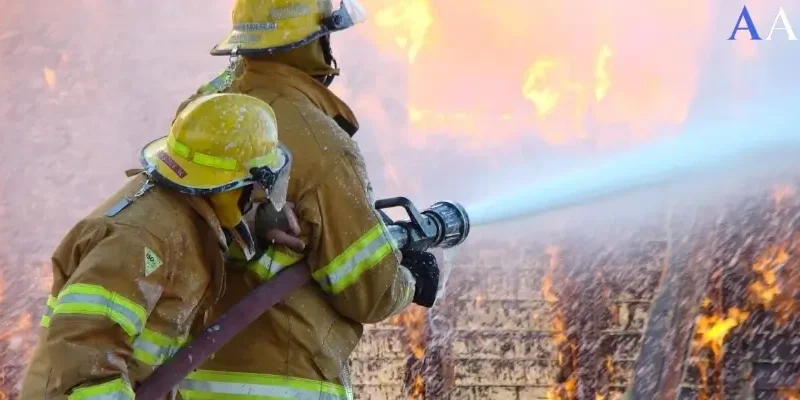
Firefighters all across North Carolina face extraordinary risks in the line of duty, and some of the most serious dangers don’t show up until years later. North Carolina firefighter occupational cancer claims develop when long-term exposure to smoke, chemicals, and hazardous materials leads to a life-altering diagnosis.
That’s why understanding your rights under firefighter cancer laws is critical, especially when your health and financial security are on the line.
About Us
At Ayers, Ayers & Dressler, we combine strategic advocacy with personal attention to deliver a level of service that reflects our commitment to every client. With decades of experience, our team understands the legal landscape and the local communities we represent. We approach every case with careful analysis, focused preparation, and a clear plan designed to protect your interests.
The Link Between Firefighting and Cancer in North Carolina
Firefighters are 9% more likely to develop cancer than regular people, and they face a 14% higher chance of dying from the disease. In addition, occupational cancer was the cause of 80% of all firefighter deaths reported to the International Association of Fire Fighters (IAFF).
Modern firefighters are constantly exposed to dangerous toxins. When structures burn, they release harmful chemicals from plastics, insulation, fuel, furniture, and other building materials. Even with protective gear and strict safety protocols, repeated exposure to these carcinogens can increase the risk of cancers like lung cancer, bladder cancer, leukemia, and other serious illnesses.
Understanding North Carolina’s firefighter cancer laws can be complicated, especially when your focus should be on your health. An experienced North Carolina firefighter attorney can guide you through the process and help determine whether you qualify for workers’ compensation or other benefits available under state law.
Understanding Firefighter Cancer Presumptions in North Carolina
When firefighters are diagnosed with cancer, certain firefighter cancer laws are specifically designed to acknowledge the link between long-term toxic exposure and specific cancer diagnoses. These are called presumptive protections, and they can play a powerful role in your firefighter cancer case by easing the burden of proving that the illness is work-related. Some of the key elements that are often considered include:
- The length of time you spent as a firefighter
- The type of cancer that’s diagnosed
- A review of the required pre-employment physical examinations
- Absence of certain risk factors at the time of hiring
- Compliance with reporting and filing requirements
Workers’ Compensation and Occupational Disease Claims
Workers’ compensation is often the primary avenue for recovery after a cancer diagnosis that’s related to firefighting duties. However, these claims can be complicated and heavily contested. To succeed in a firefighter cancer case, despite presumptive provisions, it’s still necessary to demonstrate a causal connection between the job and the illness. Once that’s shown, some of the workers’ compensation benefits you could be entitled to include:
- Payment of medical treatment and prescriptions
- Reimbursement for hospital and specialist care
- Wage replacement during your time away from work
- Compensation for permanent impairment
- Ongoing disability benefits if you’re unable to return to your duty
This is where a North Carolina cancer attorney becomes critical. Proper documentation, medical records, and a strategic presentation before the Industrial Commission can make a substantial difference in the outcome of your firefighter cancer case.
How to Build a Strong Firefighter Cancer Case
A successful firefighter cancer case requires careful planning, detailed evidence, and a clear understanding of how firefighter cancer laws apply to your specific diagnosis and work history. Working with an experienced North Carolina firefighter cancer attorney early in the process can help make sure that your claim is built on a solid foundation and positioned for the strongest possible outcome. They can help by:
- Reviewing employment and service history
- Identifying documented fire responses and hazardous exposures
- Collecting complete medical records
- Consulting with oncology and occupational health professionals
- Researching scientific literature to support causation
Hire a Firefighter Cancer Lawyer to Guide You Through Your Claim
When you hire a firefighter cancer lawyer from Ayers, Ayers & Dressler, you’re choosing a North Carolina law firm that understands both the law and the community you serve. Drawing on our decades of experience, we take the time to understand your situation and build a strategy tailored to your needs. When your career has been dedicated to protecting others, we’re here to protect you.
FAQs
Can I Receive Benefits if I’m Already Retired From the Fire Department in North Carolina?
Yes, you can receive benefits if you’re already retired from the fire department in North Carolina. Retired firefighters can still qualify if they meet the statutory requirements and if they can establish that their cancer is work-related. The law recognizes that many cancers are slow-growing, and you might not be diagnosed until you’ve left service.
Can Filing a Claim Affect My Employment Status?
No, filing a claim can’t affect your employment status. Filing a workers’ compensation claim is a legal right, and employers are prohibited from retaliating against you for asserting that right. However, practical concerns may arise during duty evaluations regarding your job duties, medical restrictions, or fitness, which could affect your job assignments.
What if I Had Prior Health Issues Before Becoming a Firefighter?
If you had prior health issues before becoming a firefighter, it’s important to note that pre-existing conditions don’t prevent you from recovering benefits. The key issue is whether occupational exposure contributed to or aggravated your cancer. In some cases, your prior medical history might be scrutinized by insurers, but with legal guidance, you can push back.
Are Settlements Available in Firefighter Cancer Claims in North Carolina?
Yes, settlements are available in firefighter cancer claims in North Carolina. Many occupational cancer claims resolve through negotiated settlements rather than formal hearings. Settlements can provide a lump-sum payment in exchange for closing out the claim, but the settlement needs to be carefully evaluated by legal counsel to see that the settlement is appropriate based on your needs.
Take the Next Step Toward Protecting Your Rights
At Ayers, Ayers & Dressler, we understand that a cancer diagnosis is devastating, but we’re here to advocate for you. Contact us today to schedule a consultation.