
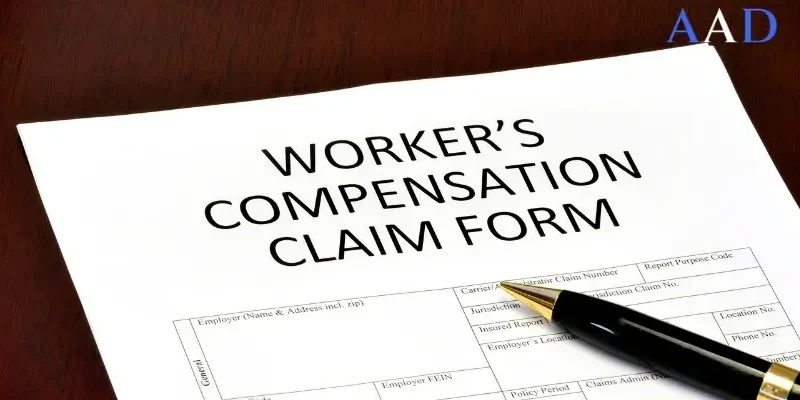
If you were hurt while working in North Carolina, you might be feeling like the workers’ compensation claims procedures are overwhelming. While a workers’ compensation lawyer should help their clients who were injured at work, some attorneys may decide to withhold certain critical details. Our firm believes in transparency, and we’ve decided to discuss what NC workers’ comp lawyers won’t tell you (but we will).
8 Things an NC Workers’ Comp Lawyer Usually Won’t Share
Workplace injuries are not uncommon. In 2024, which is the most recent year for which complete data is available, there were almost 2.5 million cases of non-fatal workplace injury reported to the Bureau of Labor Statistics. Workers’ compensation exists to help victims of workplace injuries maintain financial stability while they recover.
At Ayers, Ayers & Dressler, we think it’s important to communicate about workers’ comp claims so you can make an informed decision about your recovery options.
1. You Typically Can’t Trust an Insurance Company to Offer a Fair Claim Settlement
Insurance companies don’t always offer a fair claim settlement to an injured worker. Insurance company representatives often have the financial interests of their company in mind. Often, they work hard to reduce any compensation payouts offered to injured workers, even if they’re entitled to much more than what’s being offered.
A key detail often overlooked in the initial claims process is the role that employers and their insurance companies have. It’s important to remember that, while employers and insurance adjusters are obligated to provide benefits, they often have a vested interest in minimizing claim costs. This means that many companies look for ways to reduce or even deny claims whenever possible.
From tactics like delaying paperwork to questioning the legitimacy of injuries, there are subtle—and often some not-so-subtle—ways that insurers attempt to protect their bottom line. Knowing that this is common can help you approach your claim with a more proactive mindset.
A knowledgeable NC workers’ comp lawyer can help negotiate a more favorable settlement and protect your interests.
2. Insurance Companies Are Sneaky Sometimes
While this might seem obvious, insurance companies employ different tactics to pay you less than what’s fair. They might push you to return to work before you feel you’re ready, or they could deny your claim outright. A representative might delay your payment, deny a claim without a full investigation, or pressure you to record a statement (often against your interests).
Also, they might hire a private investigator to gather information to attempt to deny your injury benefits claim. An experienced attorney who is familiar with sneaky insurance company tactics can help represent your interests and maximize your compensation.
3. Workers’ Comp Benefits Might Not Fully Reimburse You for Your Expenses
Workers’ comp is designed to cover your medical bills, wage loss, and rehabilitation costs, but it doesn’t cover non-economic costs like your pain and suffering. This can be frustrating. However, you have the option to pursue additional compensation through a claim against a third party at fault for your accident, which a licensed NC attorney can discuss further.
4. You Can Demand a Better Claim Outcome
If your claim was denied or if you’re feeling pressured to quickly settle a workplace injury claim, you might be leaving money on the table that could help you recover. A knowledgeable local attorney can help negotiate on your behalf to make sure you’re receiving full and fair compensation, as they can help demand a better workers’ comp claim outcome. They can make sure you’ve provided sufficient, compelling evidence to link your injury to your duties at work.
5. You Might Not Receive Expected Benefits
Under the North Carolina Workers’ Compensation Act, an independent contractor isn’t entitled to claim benefits following a work-related injury. As a result, NC employers might misclassify you in order to avoid having to provide you with workers’ comp benefits. This can be an erroneous or intentional mistake by your employer.
6. The Importance of Documentation
One key point that isn’t always emphasized by workers’ compensation lawyers is the importance of detailed and organized documentation. Keeping thorough records of your medical visits, conversations with your employer, and communications with the insurance adjuster is critical. These records can be invaluable if your case encounters obstacles like delays or denials.
It’s also beneficial to maintain a pain and recovery journal, recording any ongoing symptoms or challenges. Not only does this help with tracking your health progress, but it also provides an added layer of evidence that may support your claim if it is disputed by the insurer or employer. Sometimes, the smallest details, such as a missed workday or recurring pain, can make a big difference in your compensation.
7. How Your Pre-Existing Conditions Affect Your Claim
While pre-existing conditions don’t automatically disqualify you from workers’ compensation benefits, they can complicate the process. Insurers might argue that an existing injury or illness is the primary cause of your current condition rather than your workplace accident. North Carolina law, however, allows you to receive workers’ comp if your workplace injury aggravated a pre-existing condition.
Your attorney can navigate this complexity by working with your medical providers to show how the workplace accident directly impacted your current health. This is why it’s vital to disclose any prior conditions upfront. Also, make sure your medical providers clearly document the changes and progression in your condition as they relate to your recent injury.
8. The Impact of Returning to Work Too Early
Returning to work too soon is another aspect of workers’ compensation cases that often goes unmentioned. While it’s natural to want to get back to work quickly, doing so can jeopardize your recovery and, potentially, your claim. If your doctor hasn’t fully cleared you for work and you return prematurely, you risk aggravating your injury, which could limit your compensation options or even disqualify you from further benefits.
In North Carolina, workers’ comp cases can be closed if you voluntarily return to work without restrictions. It’s essential to follow medical advice and not feel pressured by your employer to return before you’re truly ready. Your health should remain the top priority throughout this process.
Regardless of the reasons, if your employer potentially misclassified you, you might still be eligible for benefits as a regular employee. A skilled workers’ comp lawyer can help explore this misclassification and determine your eligibility for benefits to help you recover after a workplace injury.
Workers’ compensation benefits aim to address work-related injuries in North Carolina. Employers reported 2.2 nonfatal illnesses and injuries per 100 full-time workers, lower than the nationwide average of 2.7. If you have been hurt at work and need help with a workers’ compensation matter, a skilled workers’ comp lawyer can help.
How to file a Workers’ Compensation Claim in North Carolina
When you need to file a workers’ compensation claim in North Carolina, there is a specific series of steps that must be followed. Here is what you should do immediately following a workplace injury and in the ensuing weeks and months:
- Seek medical attention: If you have a workplace injury that constitutes an emergency, the first and most important thing to do is seek medical attention at the nearest possible location. The moments immediately after a serious injury are critical, so there is no time to waste thinking about insurance procedures. Those can wait until you are in stable condition.
- Report the injury to your employer: You should report the injury to a relevant supervisor as soon as possible, preferably in writing. Include a brief description of the nature of the injury, and inform your employer about any medical care you have already received. All workplace injuries must be reported to your employer within 30 days of the incident to avoid losing eligibility for workers’ compensation benefits.
- Continue to receive medical care: Some employers have an on-site physician or a list of physicians who are approved by the employer and the workers’ compensation insurance company. They may ask you to see an approved physician to evaluate your injury and make a treatment plan. The approved physician may be able to directly bill the employer or the workers’ compensation insurance company for your medical care.
- File an official claim: The next step is to file an official workers’ compensation claim. The official claim must be filed within two years of the incident in question.
After you file your claim, you are notified whether it has been accepted. Workers’ compensation benefits can cover medical bills and part of any wages you lost because you were recovering. If you find yourself partially or fully disabled because of a workplace injury, workers’ compensation can provide short- or long-term disability benefits, as well. Workers’ compensation can also help fill in the gaps if a worker is placed on modified duty or must transfer to a less strenuous position.
When you are injured on the job, it is a good idea to hire a workers’ comp lawyer to help you sort through the process of getting medical treatment and filing a claim. Your attorney can help you by providing some oversight regarding your progress and the behavior of your employer and the workers’ compensation insurance company during your case.
Like all other insurance companies, the companies that provide workers’ compensation insurance are businesses, and their goal is to make money. Because they have this goal in mind, they sometimes deny claims that should be accepted or underpay claims that should be more comprehensively covered. An attorney who is familiar with workers’ compensation law can watch for any missteps in your claims process and help advocate for you if you are treated unfairly.
The Role of Independent Medical Examinations (IMEs)
An Independent Medical Examination (IME) is an evaluation performed by a doctor selected by the insurance company to assess your condition. Many workers’ comp claimants are unaware that these exams are often biased in favor of the insurance company. IMEs can be used to justify reducing or denying benefits, as the doctor conducting the exam may downplay your injuries or determine that you’re ready to return to work.
If an IME disputes your physician’s assessment, you can request a second opinion from another medical professional. This second evaluation can provide a counterpoint to the IME and strengthen your case if you need to appeal a decision.
Settlements Can Be Tricky
Settlements are not always straightforward and are often more complex than they seem. Some workers’ comp lawyers might push for a quick settlement to resolve the case, but these agreements may not provide the full compensation you need.
A workers’ comp settlement should be carefully considered, especially for severe injuries with long-term impacts. Once you settle, you may be waiving your right to future benefits, so it’s crucial that the agreement adequately addresses all your current and potential future needs.
Knowing Your Rights to Appeal
Many workers aren’t fully aware of their rights to appeal if their claim is denied. In North Carolina, you have the right to appeal through the North Carolina Industrial Commission if your initial claim is unsuccessful. Appeals can be a lengthy process, but they’re sometimes necessary to secure the benefits you’re entitled to.
Familiarizing yourself with the appeals process and what it involves can prepare you for any obstacles and help you understand that a denied claim is not necessarily the end of the matter.
Contact Us Today Ayers, Ayers & Dressler
704-594-4317Call Now
FAQs
How Do I Get the Most Out of My Workers’ Comp Settlement in NC?
In order to get the most out of your NC workers’ comp settlement, you should promptly report your injury at work and seek immediate medical treatment from a provider approved by your employer. You can file a claim with the North Carolina Industrial Commission within two years of the work-related injury in order to receive benefits.
Thereafter, follow your doctor’s treatment plan and recommendations, and consider consulting a qualified legal professional about your options for accident recovery.
Shouldn’t My Work-Related Accident Be Covered Through Workers’ Comp Automatically?
There’s a common misconception about NC workers’ comp. Some employees, unfortunately, believe work-related accidents will automatically be covered under their workers’ comp benefits. Often, the burden remains on the injured employee to provide compelling evidence to demonstrate the injury happened during the course of their work duties.
Benefits are not always guaranteed, and your employer or their insurance carrier can contest coverage. A skilled NC attorney can help explore and discuss your work-related accident coverage.
How Often Should I Hear From My Workers’ Comp Attorney?
You should anticipate regular communication from your NC workers’ compensation attorney, especially during key periods of your claim, such as the initial filing phase, when your claim decision is determined, when your medical treatment is decided, and when any settlement negotiations happen.
The frequency of attorney contact typically depends on the stage of your case and the complexity of your circumstances. An attorney should respond quickly to your concerns.
Should I Accept a Settlement for My NC Workers’ Comp Claim?
Whether or not you should accept a settlement for your workers’ compensation claim depends on whether the offer fully considers your future medical needs and the risks of having to continue pursuing recovery with your claim. When considering a settlement amount, you can consider your medical prognosis, your specific financial circumstances, and the possible ongoing impact of your sustained injuries.
A knowledgeable NC attorney can answer your questions about settlement offers and often maximize the recovery for your specific claim.
What Is the Statute of Limitations for Workers’ Comp in North Carolina?
In North Carolina, you must notify your employer of the injury within 30 days of the accident. Failure to do so jeopardizes your right to benefits. However, once your employer has been notified, you generally have two years from the date of your injury to file a workers’ compensation claim. Filing within this period is crucial, as missing the deadline can bar you from receiving benefits.
What Is the Workers’ Compensation Act in NC?
The North Carolina Workers’ Compensation Act outlines the rights and responsibilities of both employees and employers when workplace injuries occur. It mandates that employers provide coverage in the event of an accident and specifies the benefits that injured workers are eligible to receive. If you have been injured in a workplace accident, it would be wise to seek legal counsel as soon as possible.
How Much Does Workers’ Comp Pay in NC?
Workers’ compensation will typically pay two-thirds of an injured worker’s average weekly wage, up to a maximum set by the state. This maximum varies each year, as it is based on the statewide average wage and the cost of living. Once you are on workers’ comp, it generally lasts until you are cleared to return to work.
What Happens If My Employer Doesn’t Have Workers’ Comp Insurance?
Employers with three or more employees are required to carry workers’ compensation insurance in North Carolina. If your employer does not have coverage, you could still file a claim through the state’s Uninsured Employers Fund. The most appropriate course of action in this scenario is to contact a lawyer as soon as possible so they can advise you on the appropriate course of action.
Hire a Workers’ Comp Lawyer at Ayers, Ayers & Dressler
If you have suffered a workplace injury, contact Ayers, Ayers & Dressler to discuss how we can help. Our experienced team can help provide you with reliable legal advice in order to recover financially after an on-the-job accident or sustained illness. We accept cases on a contingency fee basis and only collect our attorney fees if we are able to obtain workers’ comp benefits for you.
Conveniently located near I-277, we have ample parking nearby for our potential clients. Contact our office to schedule a consultation with one of our attorneys.